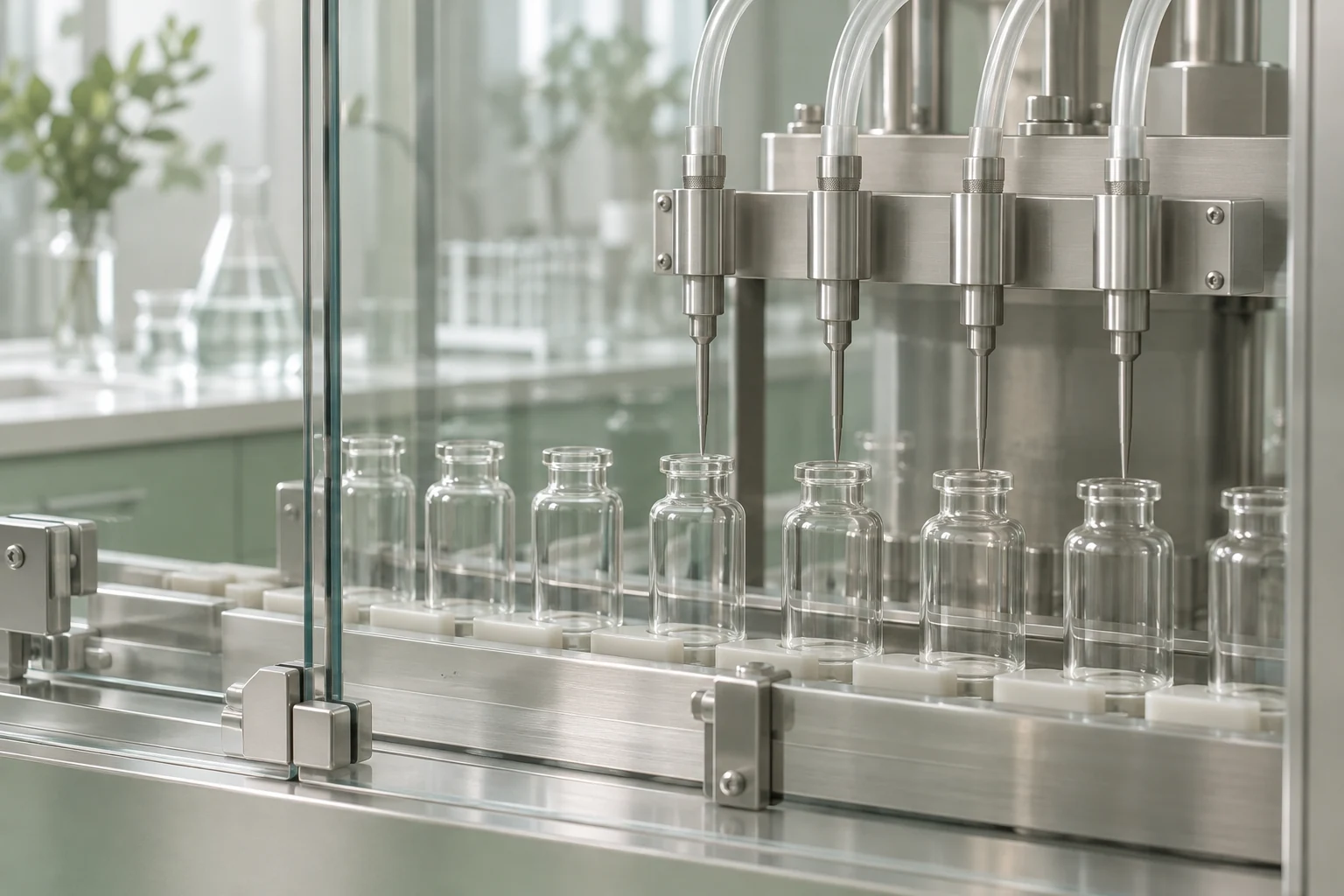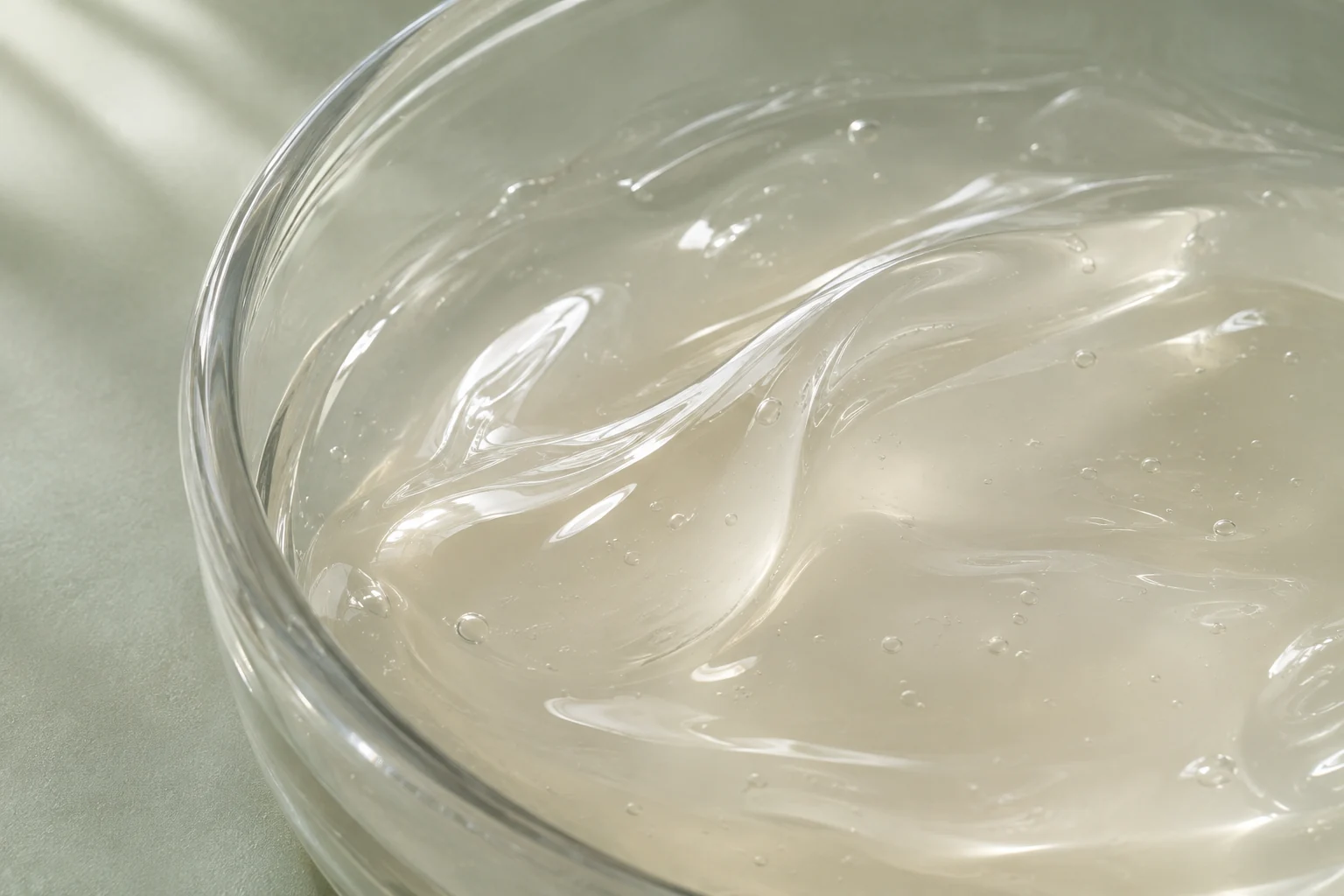
Formulation Work
Formulation work considers ingredient combinations, concentration, presentation and the intended characteristics of the finished product.

SCIENCE & INNOVATION
From formulation work to technical assessment.
In-house research capabilities support formulation work, material selection, product characterization and technical assessment.
Our research activities support the development and technical assessment of professional aesthetic products, from early formulation work to product-specific testing and documentation.
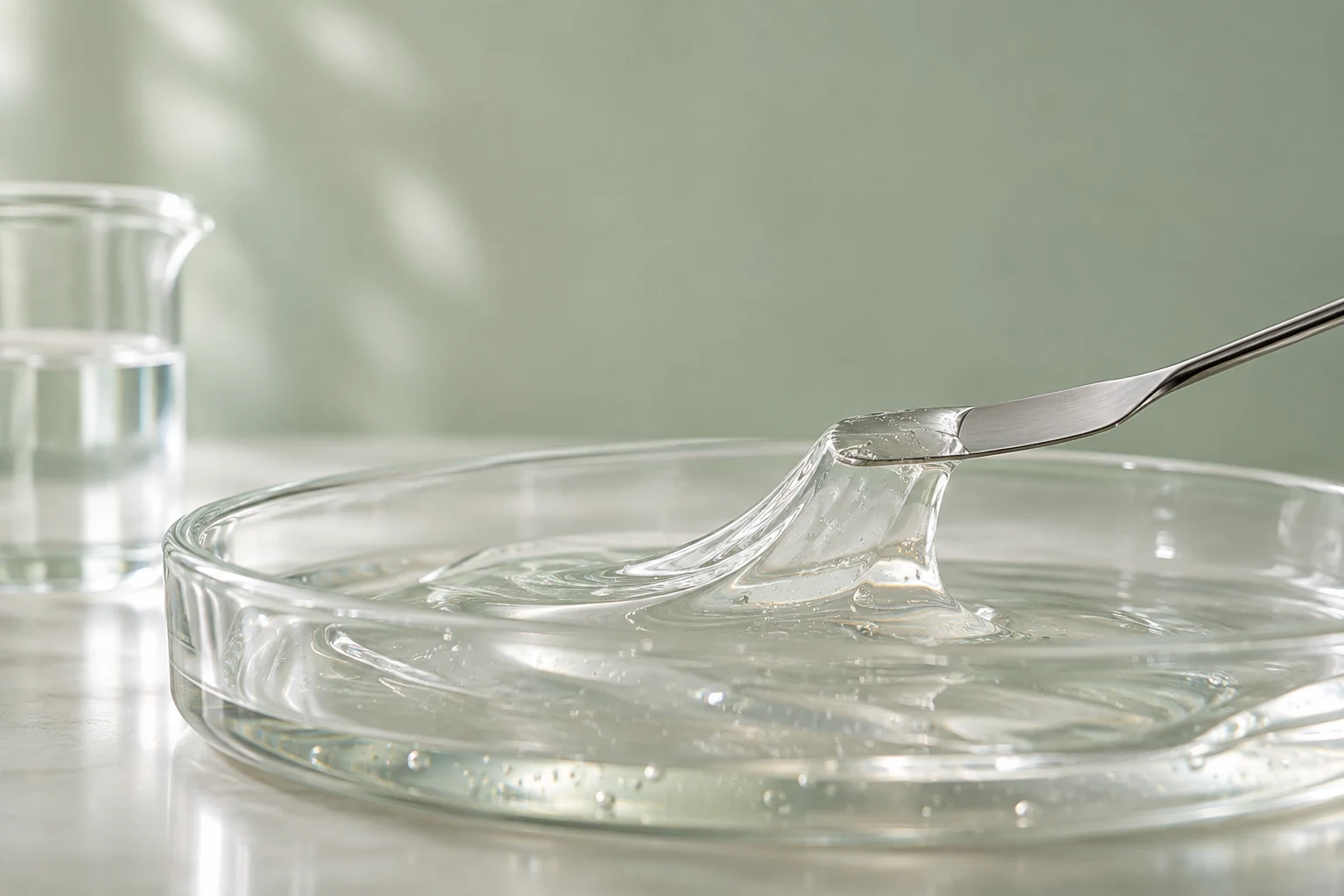
Formulation work considers ingredient combinations, concentration, presentation and the intended characteristics of the finished product.

Materials are considered in relation to formulation requirements, product format, compatibility and intended use.
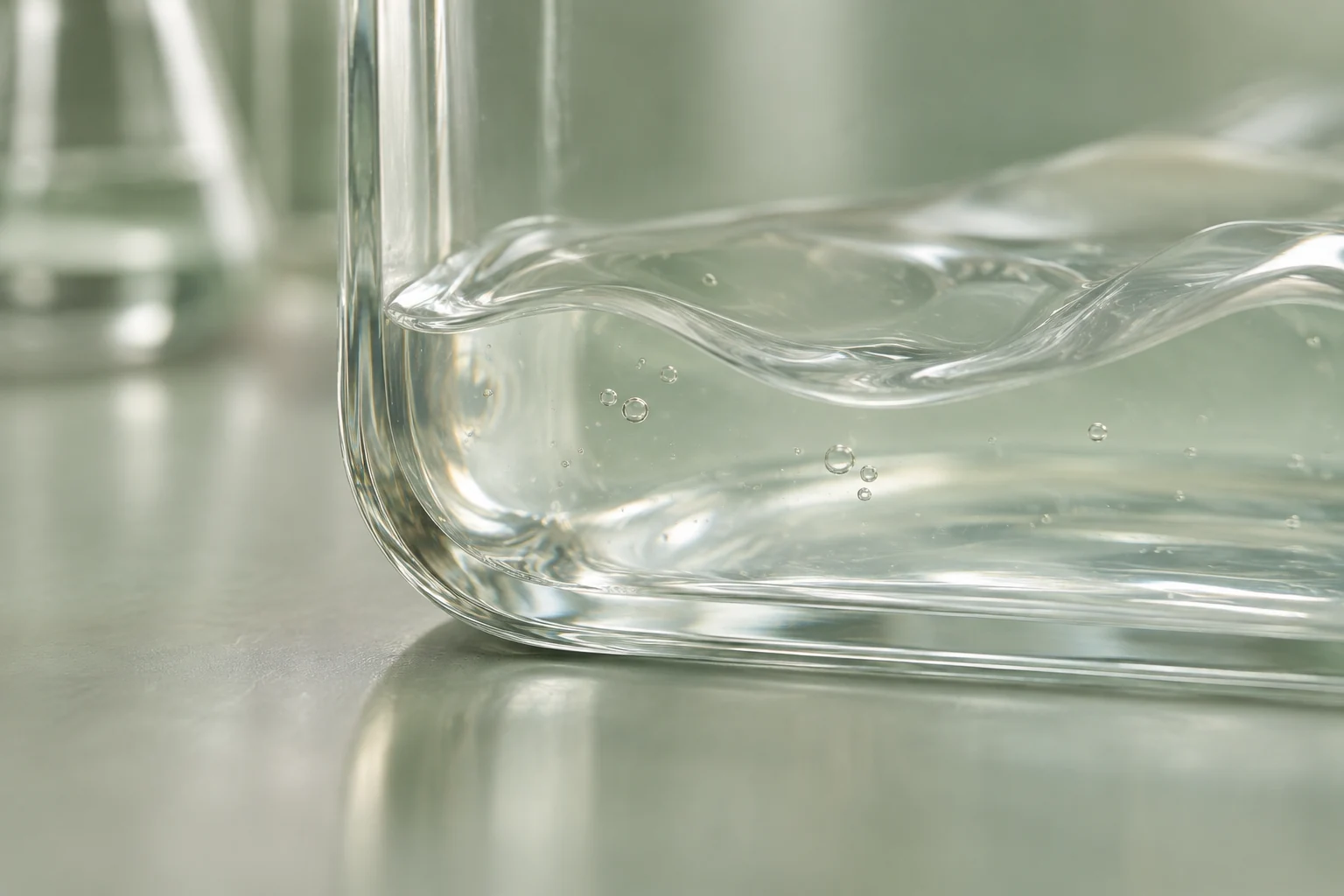
Product characterization helps describe relevant physical and technical properties within the context of the specific formulation.
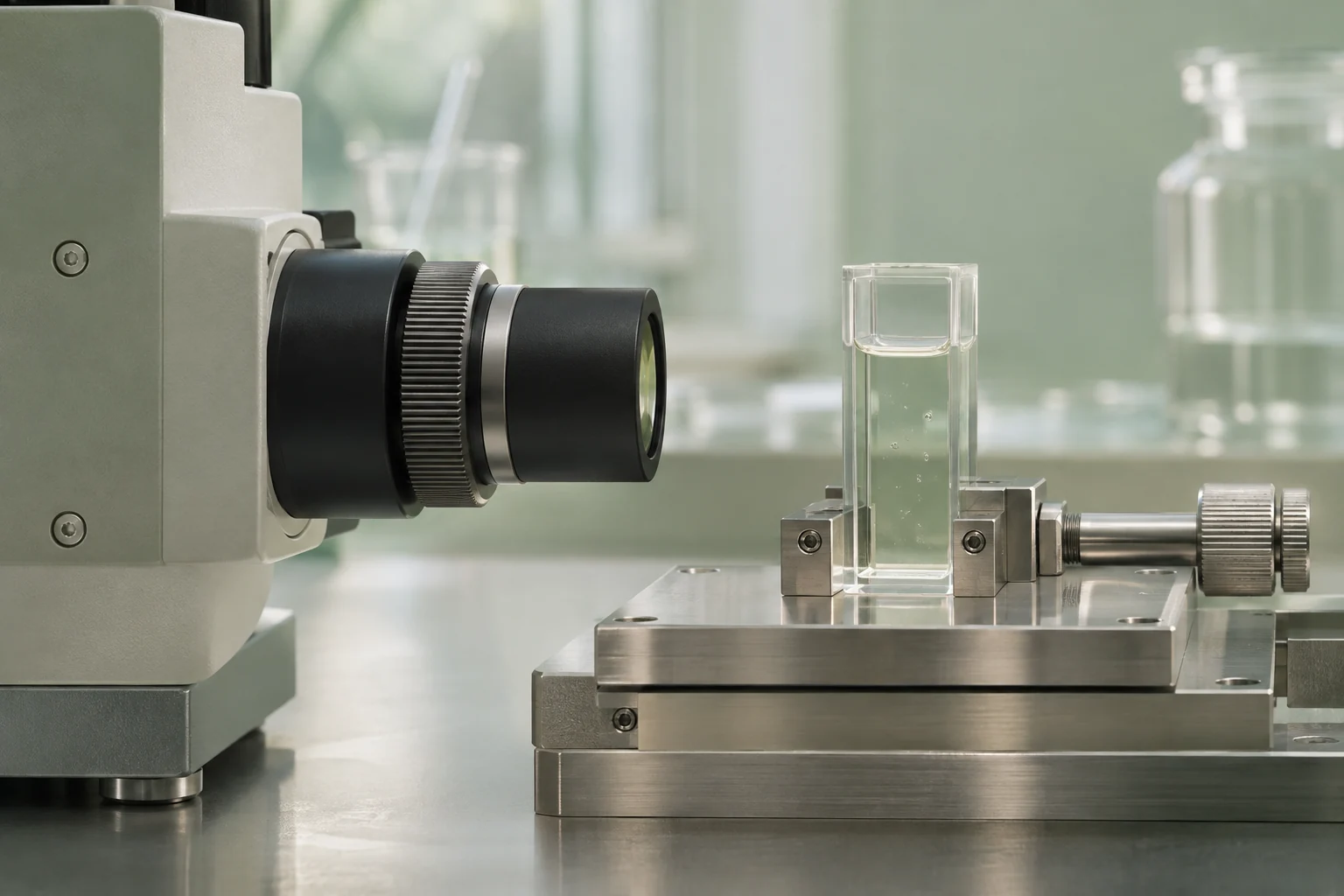
Technical assessment brings together testing, documentation and product-specific information to support development decisions.
Product characterization considers the formulation as a complete system rather than a single material or ingredient.
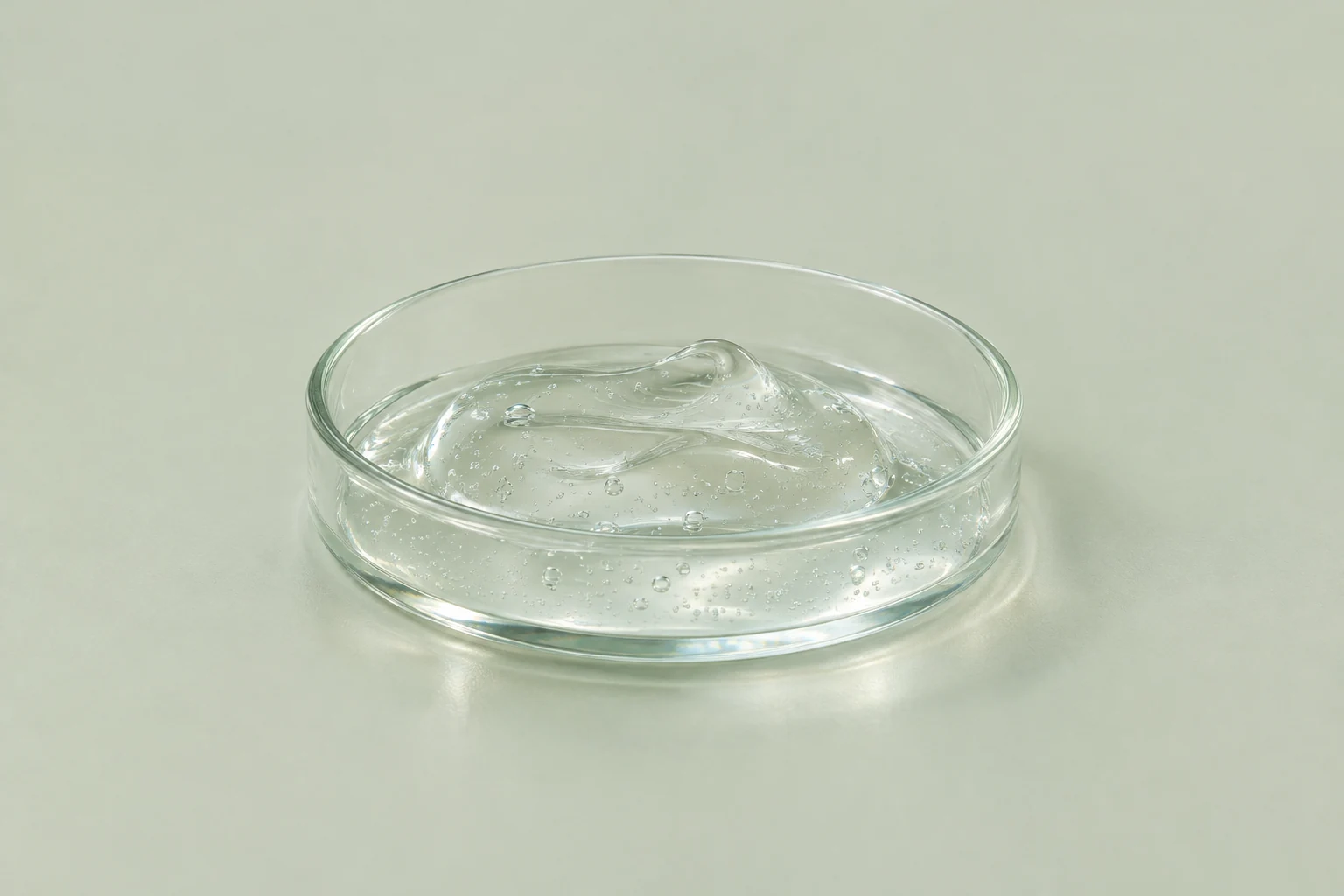
The type and extent of characterization required depend on the product, its composition, presentation and intended market.
Develop and adjust the formulation according to the intended product characteristics.
Consider relevant physical, technical and presentation-related characteristics.
Use observations from assessment to inform further formulation or presentation adjustments.
Organize the relevant product-specific technical and supporting information.
Development may involve repeated formulation and assessment cycles. Observations made during technical evaluation can inform further adjustments before a product moves towards production.
Appropriate testing and documentation provide context for formulation composition, physical properties, presentation and material compatibility.
Scientific communication should remain proportional to the available evidence. BNCÉRA’s public product and capability claims should be supported by the appropriate technical, quality, clinical or regulatory documentation for the specific statement being made.
For BNCÉRA-manufactured products, development and production requirements are considered together. Formulation, process conditions, quality controls and product-specific documentation must remain connected as a product moves towards manufacturing.
Discover Manufacturing & Quality